What Is a TONU Charge?

04 Aug 2026
A TONU is what a carrier bills when the truck showed up and the load did not. Here is when you owe one, what it costs, and how to stop paying them.
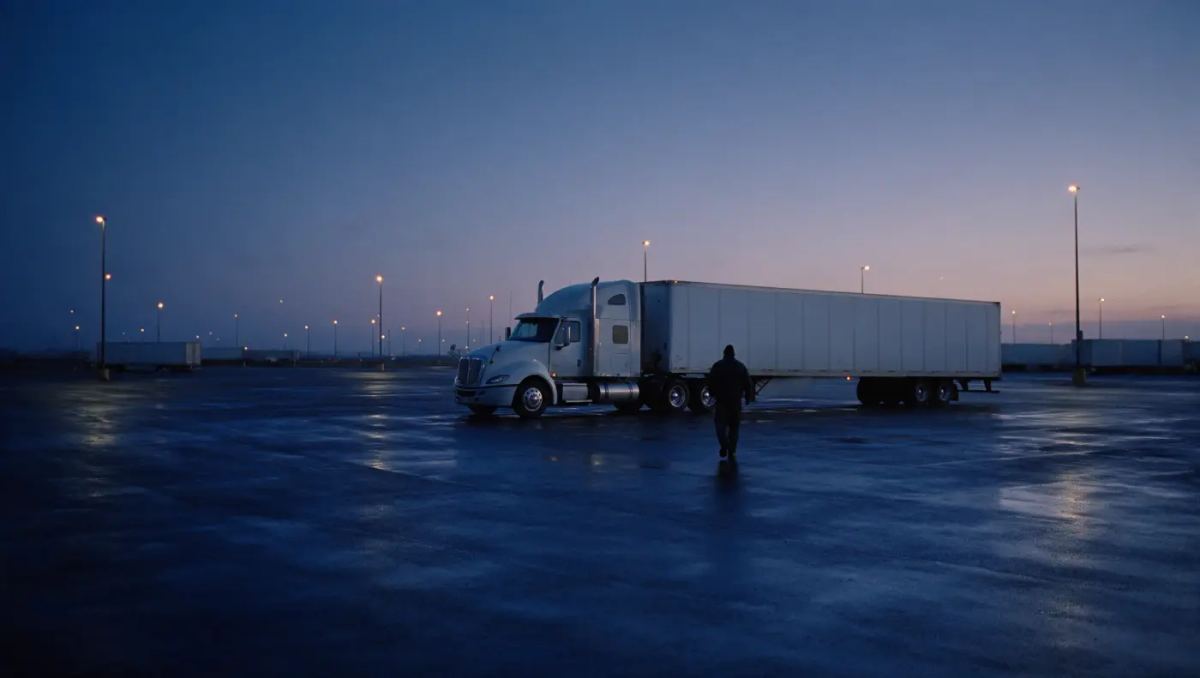
TONU stands for Truck Ordered Not Used. It is the charge a carrier bills when a truck was booked, dispatched, and then had nothing to pick up.
Most of what is written about TONUs is aimed at carriers trying to collect them. This is the other side: what the charge covers, when you actually owe one, and how to stop them appearing on your invoices.
What is a TONU?
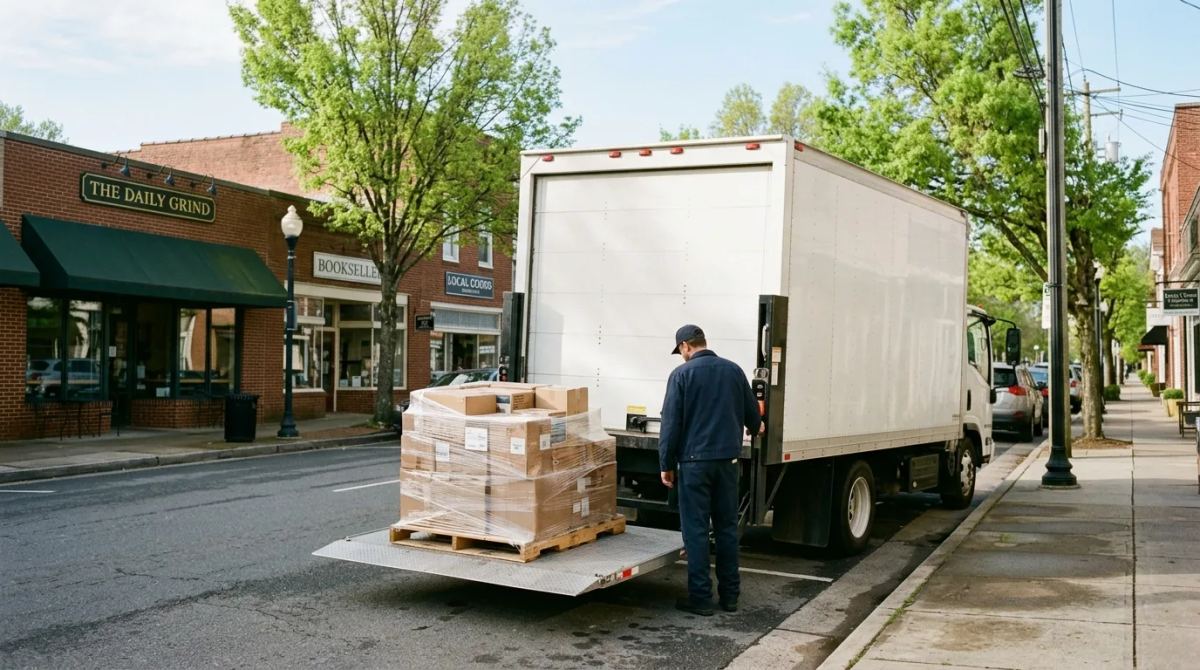
When a carrier accepts a load, three things happen straight away. A truck is committed to your freight, other loads are turned down, and the driver starts moving toward your dock. If the load then disappears, the carrier has spent time and fuel and given up the freight they could have hauled instead.
The TONU covers that. It is compensation for a day the carrier cannot get back, not a penalty for changing your mind.
Worth knowing up front that no federal rule sets any of this. TONUs are contractual. What is written on the rate confirmation is what governs, which is also why the amounts vary so much.
What does a TONU cost?
Most fall between $150 and $500. For a dry van or box truck, $250 is the standard figure and the one that appears most often on rate confirmations.
Where a particular charge lands inside that range depends on what the carrier committed. A dry van or box truck sits at the lower end. A reefer that was pre-cooled, or a flatbed that arrived tarped and ready, sits higher, because that equipment was prepared for your load and nobody else's. Heavy haul and specialised equipment go higher again.
Distance matters too. A truck that deadheaded a hundred miles to reach you has a stronger claim than one that had not left the yard, and some agreements add a per-mile deadhead figure on top of the flat fee rather than relying on the flat fee alone.
When a TONU applies
Five situations account for almost all of them, and the common thread is that the carrier did what was asked and the load was not there.
The load is cancelled after dispatch. The most common by a distance.
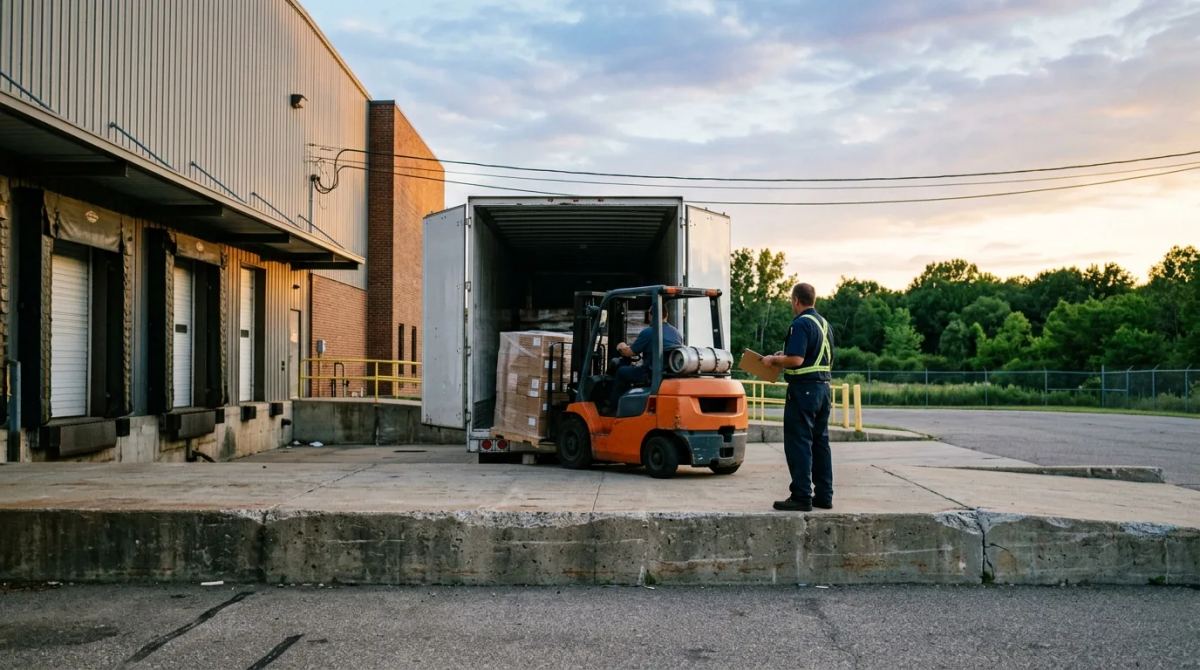
The freight is not ready and there is no realistic window. A short wait is detention. An open-ended one where nobody can say when the freight will be available is a TONU.
The load does not exist. Usually a double-booking, where the freight went out on another truck and nobody updated the second carrier.
The freight is materially different from what was booked. Heavier, larger or a different commodity, to the point where the driver cannot legally or safely haul it.
The shipper cannot load for a reason outside the carrier's control. A closed facility, no staff, no equipment to load with.
When a TONU does not apply
The test is who caused it. If the cancellation came from your side, the charge is fair. If it came from the carrier's side, it is not, and it is worth pushing back.
A TONU should not stand when the carrier breaks down, when the driver takes a better load elsewhere, or when the truck arrives outside the pickup window you agreed and the freight has already gone. Those are the carrier's problems.
The grey area is the freight that is late rather than absent. There is no bright line between a long wait and a cancelled load, which is why the pickup window on the rate confirmation matters and why an honest conversation at hour three beats an argument at hour six.
Why the timing of a cancellation decides the size of the bill
This is the part shippers underestimate, and it is the part that saves money.
Before dispatch, a cancellation usually costs nothing. The truck has not moved and the carrier can still find other freight for the day.
After dispatch, before arrival, you are into a TONU. The driver is committed and burning fuel, though the carrier may still recover part of the day.
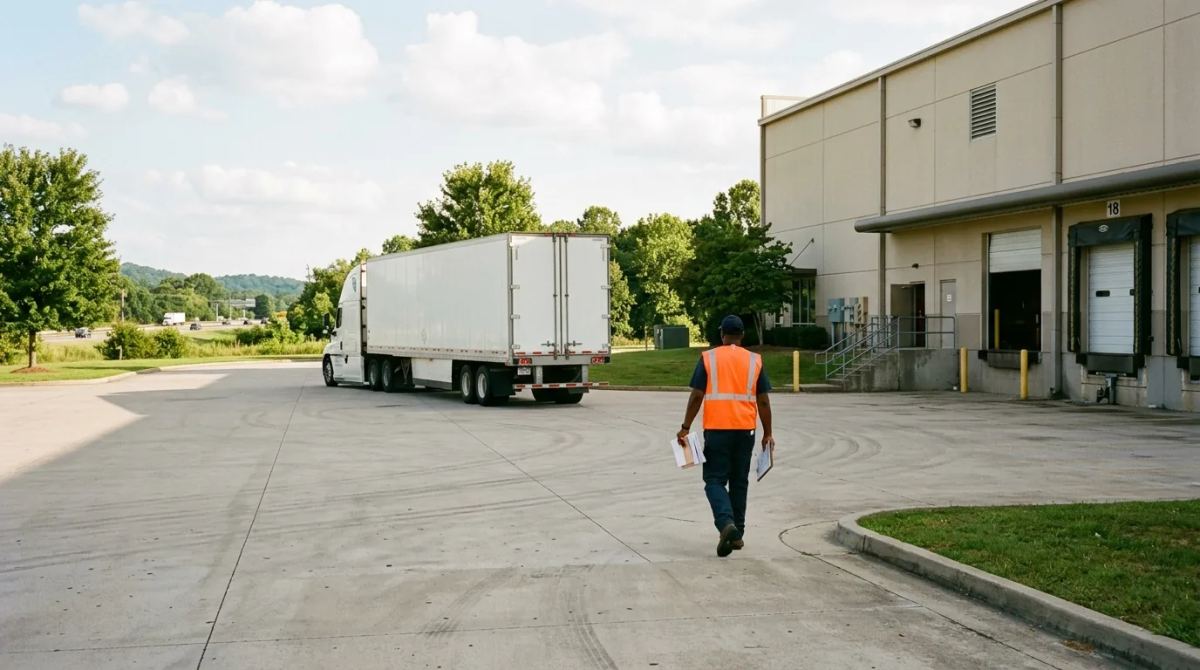
On arrival, the charge is at its highest and the argument is weakest. The truck is at your gate, the day is gone, and the evidence is unambiguous.
So the practical rule is uncomfortable but simple: an hour of hesitation about whether to cancel can cost more than the cancellation itself. If a load is in trouble, saying so early is cheaper than hoping it resolves.
How to avoid TONU charges
Almost every TONU traces back to information that existed inside the shipper's business and did not reach the carrier in time.
Connect the dock to the booking. The people loading trucks usually know the freight is not ready long before anyone tells the carrier. That gap is where TONUs are made.
Cancel the moment you know. Not when it is convenient, not after one more check to see whether it resolves.
Describe the freight accurately when you book. A load that turns out to be two thousand pounds heavier than tendered can become a TONU rather than just a rebooking.
Give a real pickup window rather than an optimistic one. A window you can actually meet is worth more than a tight one you cannot.
Read the rate confirmation. The TONU amount and the cancellation window should both be on it before the truck is dispatched. If they are not, ask.
Why a broker who pays TONUs is the one you want
Paying carriers properly is part of what a broker is for, and carriers remember who pays and who argues. A broker who fights every TONU keeps that money in the short term and slowly loses the carriers who answer the phone at short notice. When you need a truck at four hours' notice on a lane nobody wants, the difference between a carrier who takes the call and one who lets it ring is usually a history of being treated fairly.
LT2 pays carriers when they have done what was asked, including when a load falls over. And when a TONU is genuinely not owed, we say so on your behalf rather than passing it straight through.
Every carrier is verified before it touches your freight: operating authority, insurance and safety history, monitored on an ongoing basis rather than checked once. And when a load is in trouble, you hear it from a person rather than finding out on an invoice.
If a TONU has landed on your invoice and you are not certain it is owed, send it to us at (262) 888-3553 and we will tell you whether it stands. More on how our brokerage works.