
Flatbed Shipping
Open-deck capacity for freight that will not fit inside a trailer.

- Deck length
- 48 and 53 foot
- Legal width without a permit
- 8 foot 6 inches
- Loading, crane or forklift
- Side or overhead
- Securement under federal rules
- Driver's responsibility
Flatbed freight shipping
Flatbed shipping moves freight on an open deck rather than inside an enclosed trailer. It is the right choice when a load is too wide, too tall, too heavy or too awkward to go through a dock door, and when it needs to be loaded by crane or forklift from the side or from above.
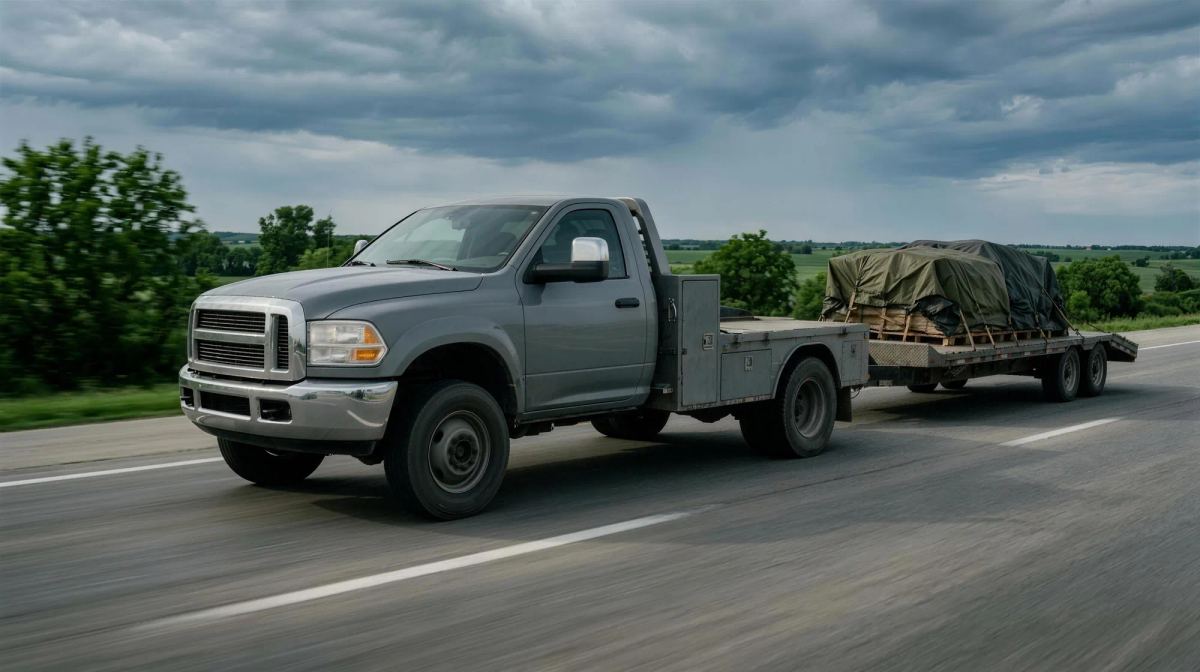
When flatbed is the right call
Freight type
Steel, building materials, machinery and equipment make up most flatbed freight. What they share is that they cannot be handled like palletised cargo. A coil, a length of pipe or a piece of plant equipment has to be lifted on, positioned deliberately and secured for the road.
Access
Flatbed also solves access. A receiver with no dock, a construction site, a yard with a crane: none of those work for an enclosed trailer, and all of them work for an open deck.
Weather and securement
The trade-off is weather and securement. Freight on an open deck is exposed unless it is tarped, and securement is the driver's legal responsibility under federal cargo securement rules. That is skilled work, and it is a real reason to care which carrier ends up under your load.
Flatbed freight shipping, in full
Freight that fits? Send us the lane and the load.
What LT2 arranges
LT2 arranges flatbed capacity across the United States and into Canada, from standard 48 and 53 foot flatbeds through step decks for taller freight and hot shot equipment for smaller urgent open-deck loads.
Every carrier is verified before it touches your freight: operating authority, insurance and safety history, monitored on an ongoing basis rather than checked once. On open-deck freight that matters more than it does on a dry van, because securement is where things go wrong.
LT2 is backed by Laufer Trucking, an asset-based carrier that has run flatbeds out of Wisconsin since 1977.
Related articles
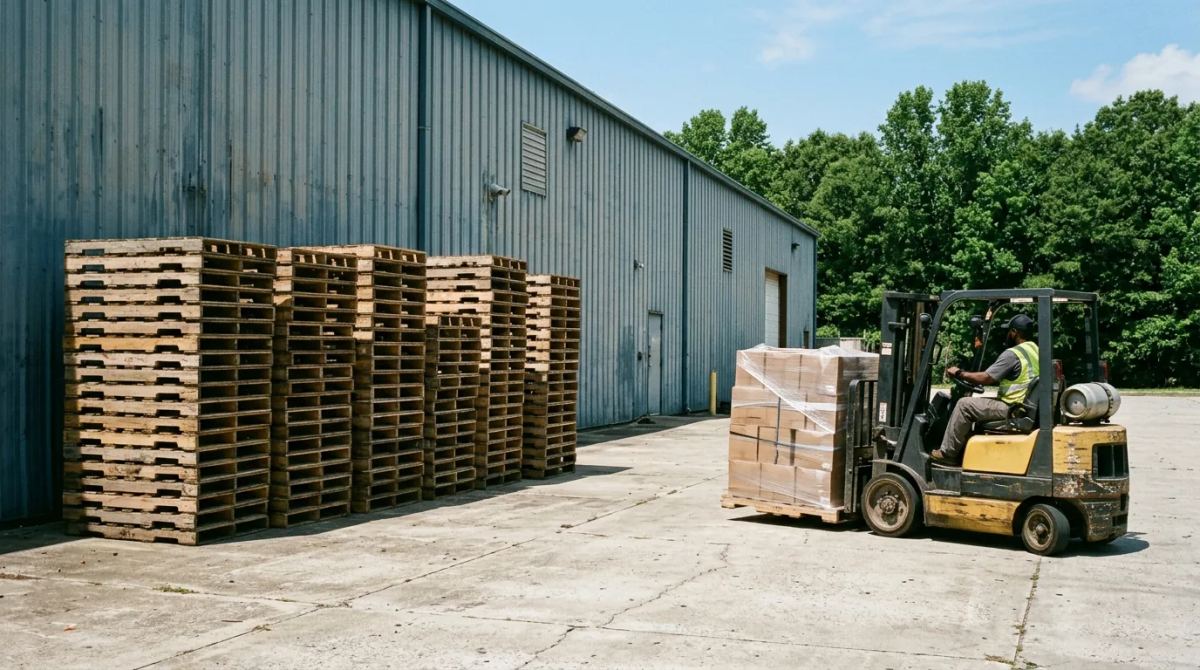
Standard Pallet Sizes for Freight
The standard pallet is 48 by 40 inches because two of them fit across a trailer. Everything else about pallet pricing follows from that one fact.
Read more
Types of LTL Carriers, and When to Use Each
Two LTL carriers can quote the same lane at a similar price and move your freight in completely different ways. The difference is what kind of carrier they are.
Read more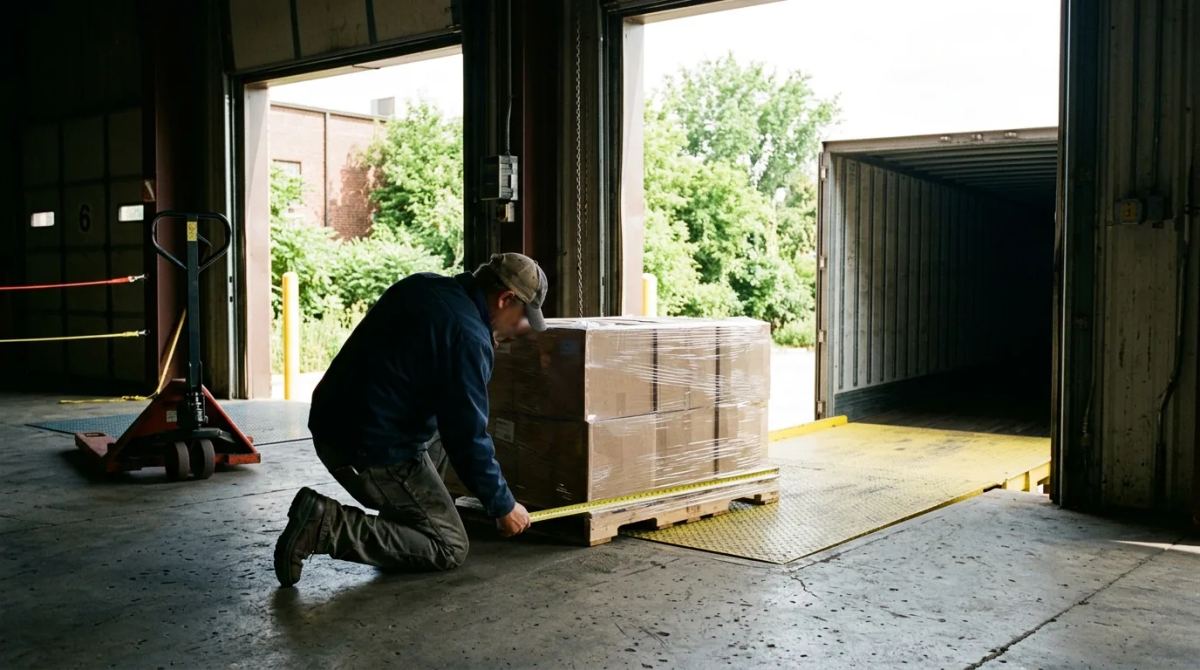
What Is Freight Class?
Freight class is the number that decides what an LTL shipment costs. Since 2025 it is set mainly by density, and a calculator alone will not always give you the right answer.
Read more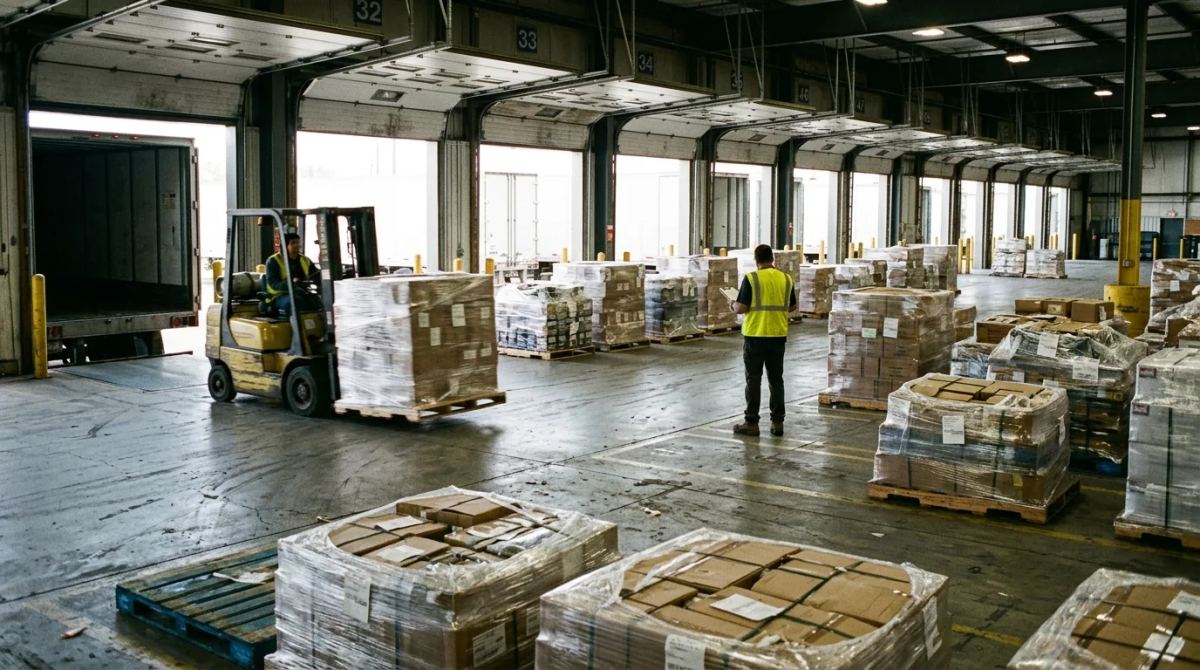
LTL Shipping Explained
LTL means your freight shares a trailer with other shippers and moves through terminals. It is the cheapest way to move a few pallets, and there are three situations where it is the wrong answer.
Read moreFrequently Asked
Answers to the questions shippers ask us most often.