
Partial Truckload Shipping
For freight that outgrew LTL but does not need a whole trailer.
- Typical size
- Roughly 6 to 16 pallets
- Weight
- Roughly 5,000 to 20,000 lb
- Handling
- Stays on one trailer
- Freight class
- Not required
Partial truckload freight shipping
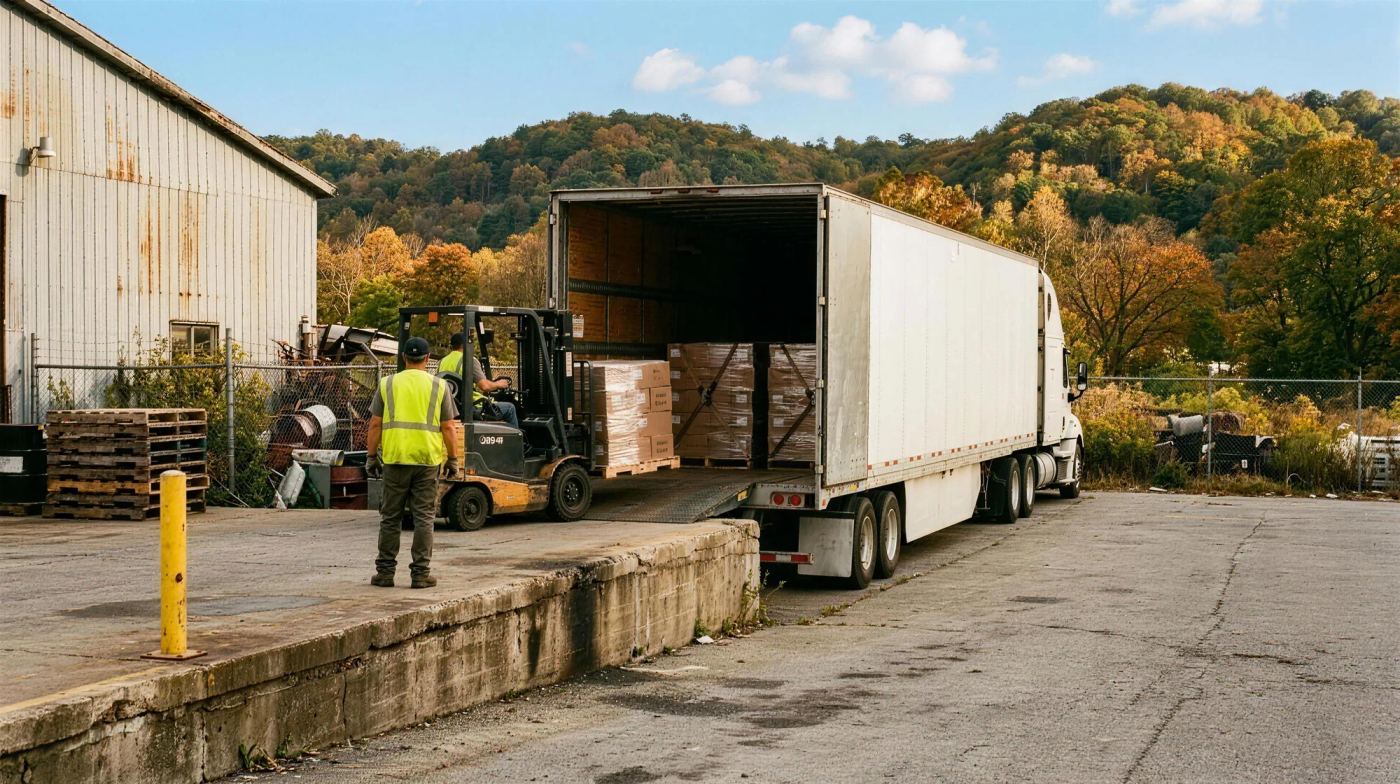
Partial truckload sits between LTL and a full trailer. It generally covers freight of roughly six to sixteen pallets, sharing a trailer with only a few other large shipments rather than being routed through a terminal network.

When partial truckload is the right call
Size
Size is the first signal. Once a shipment passes six pallets or a few thousand pounds, LTL pricing starts to lose its advantage and the handling starts to count against it.
Handling
Handling is the second. Partial freight stays on one trailer. It is not cross-docked, sorted or transferred between terminals, so it arrives having been touched far fewer times than the same freight moving LTL.
Freight class
And partial truckload does not require freight class. Pricing is based on the weight and the space the freight actually takes, which removes one of the most common sources of unexpected charges on an LTL invoice.
How freight class works, and why partial avoids it
Freight that fits? Send us the lane and the load.
What LT2 arranges
LT2 arranges partial truckload across the United States and into Canada. Transit is generally faster than LTL on the same lane because there is no terminal network in the middle, though it is worth allowing a few days rather than assuming truckload speed.
Every carrier is verified before it touches your freight, and monitored on an ongoing basis rather than checked once.
Related articles
Standard Pallet Sizes for Freight
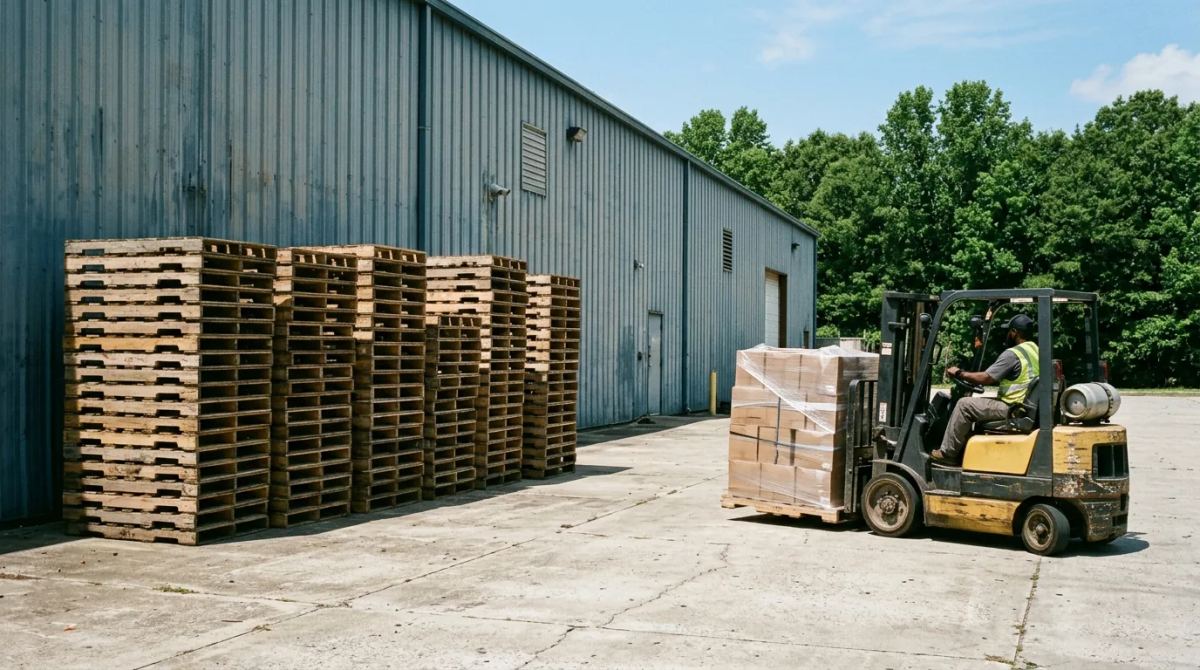
The standard pallet is 48 by 40 inches because two of them fit across a trailer. Everything else about pallet pricing follows from that one fact.
Read more
Types of LTL Carriers, and When to Use Each
Two LTL carriers can quote the same lane at a similar price and move your freight in completely different ways. The difference is what kind of carrier they are.
Read more
What Is Freight Class?
Freight class is the number that decides what an LTL shipment costs. Since 2025 it is set mainly by density, and a calculator alone will not always give you the right answer.
Read more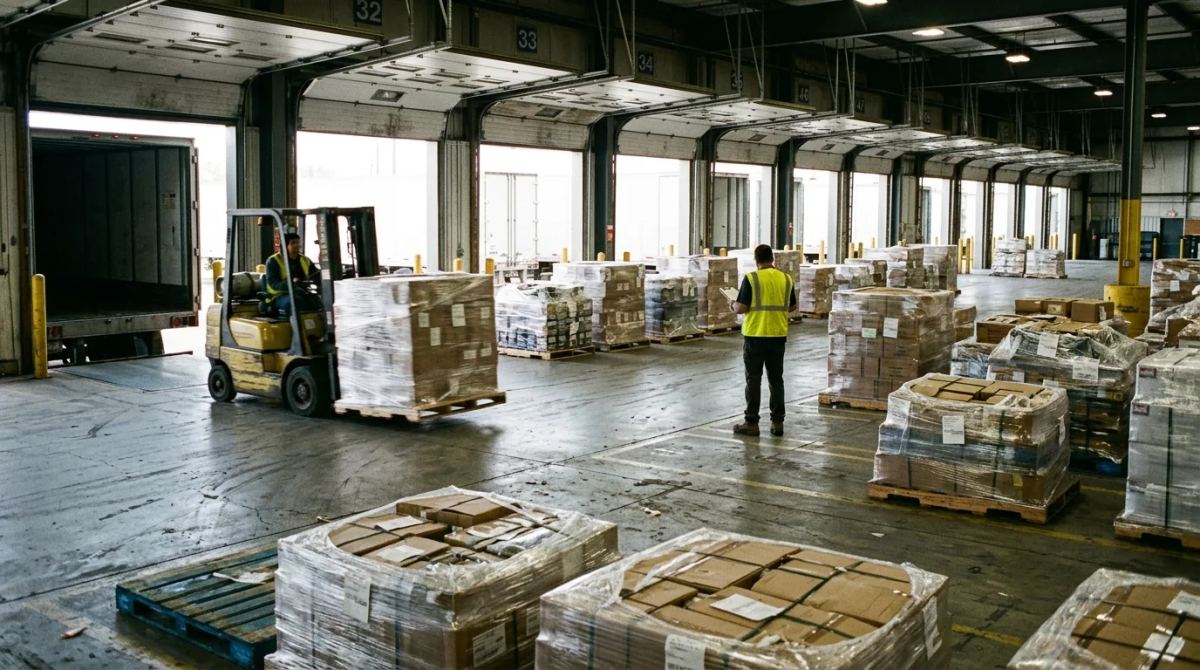
LTL Shipping Explained
LTL means your freight shares a trailer with other shippers and moves through terminals. It is the cheapest way to move a few pallets, and there are three situations where it is the wrong answer.
Read moreFrequently Asked
Answers to the questions shippers ask us most often.