
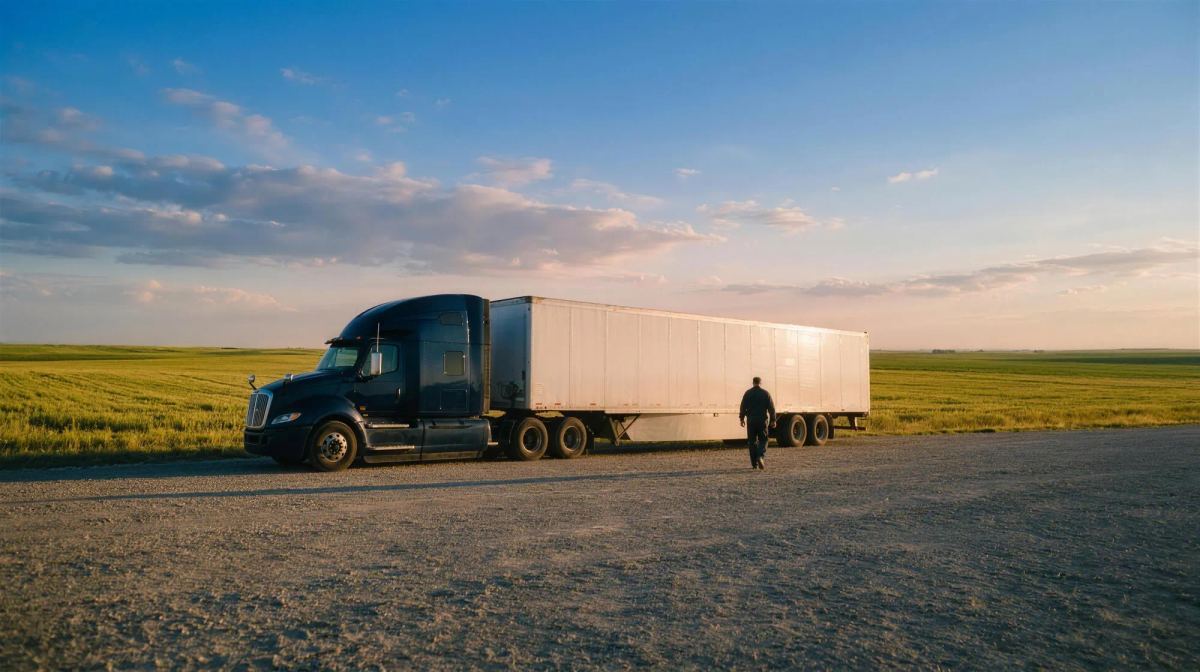
Full Truckload Shipping
Your freight takes the whole trailer and travels direct. Loaded once, unloaded once, no terminal network in between.
Full truckload, partial truckload, and LTL capacity across the United States and Canada.

Choosing a shipping mode comes down to how much space your freight needs, how fast it has to move, and whether it will fit through a dock door. LT2 Logistics arranges full truckload, partial truckload, LTL and flatbed capacity across the United States and Canada.
Not sure which one you need? Compare all four.Your freight takes the whole trailer and travels direct. Loaded once, unloaded once, no terminal network in between.
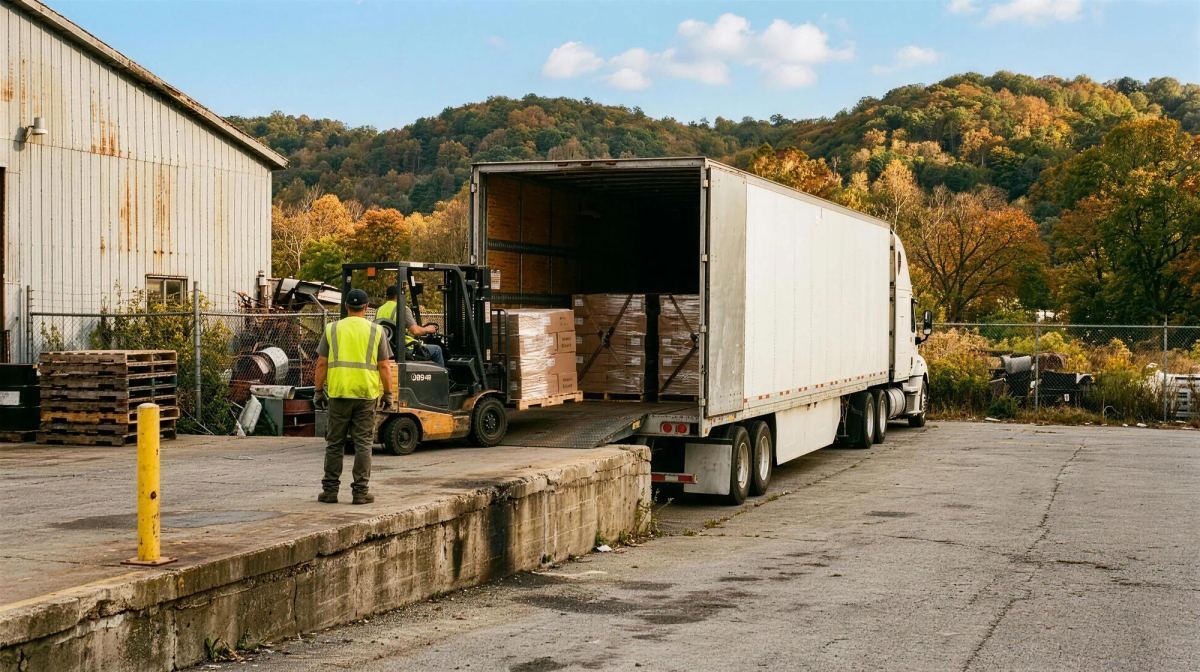
Too big for LTL, too small for a full trailer. You pay for the space you use and the freight usually stays on one truck.
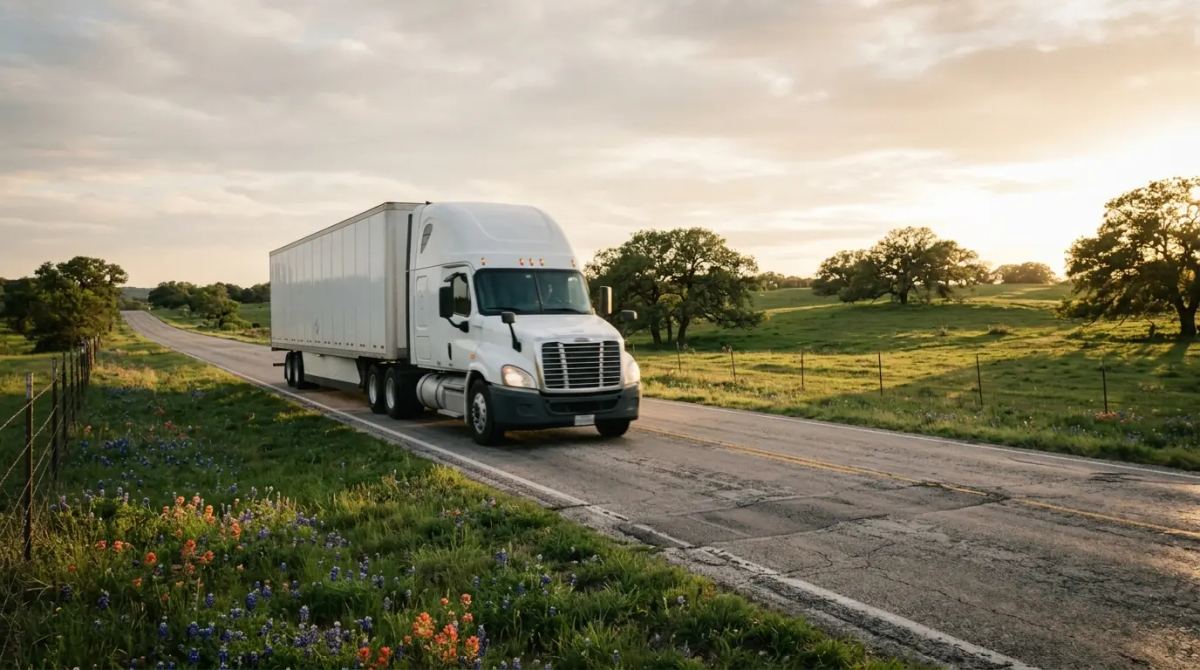
Your freight shares a trailer and moves through a carrier's terminal network. The cheapest way to move a few pallets.

Open-deck capacity for freight that will not fit through a dock door. Steel, machinery and anything loaded by crane or forklift.
| Mode | Typical size | Weight | Handling | Best when |
|---|---|---|---|---|
| Full truckload | Fills a trailer | Up to around 45,000 lb | Loaded once, unloaded once | The freight fills a trailer, or cannot tolerate handling |
| Partial truckload | 6 to 16 pallets | 5,000 to 20,000 lb | Stays on one trailer | Too big for LTL, and you want fewer touches than LTL gives |
| LTL | 1 to 6 pallets | 150 to 15,000 lb | Four or more touches | A few pallets, and the delivery date has some room in it |
| Flatbed | 48 or 53 ft open deck | Up to around 48,000 lb | Loaded from the side or overhead | The freight will not fit through a dock door |
If you are not sure, describe the freight and the deadline when you request a quote and we will tell you which mode fits.
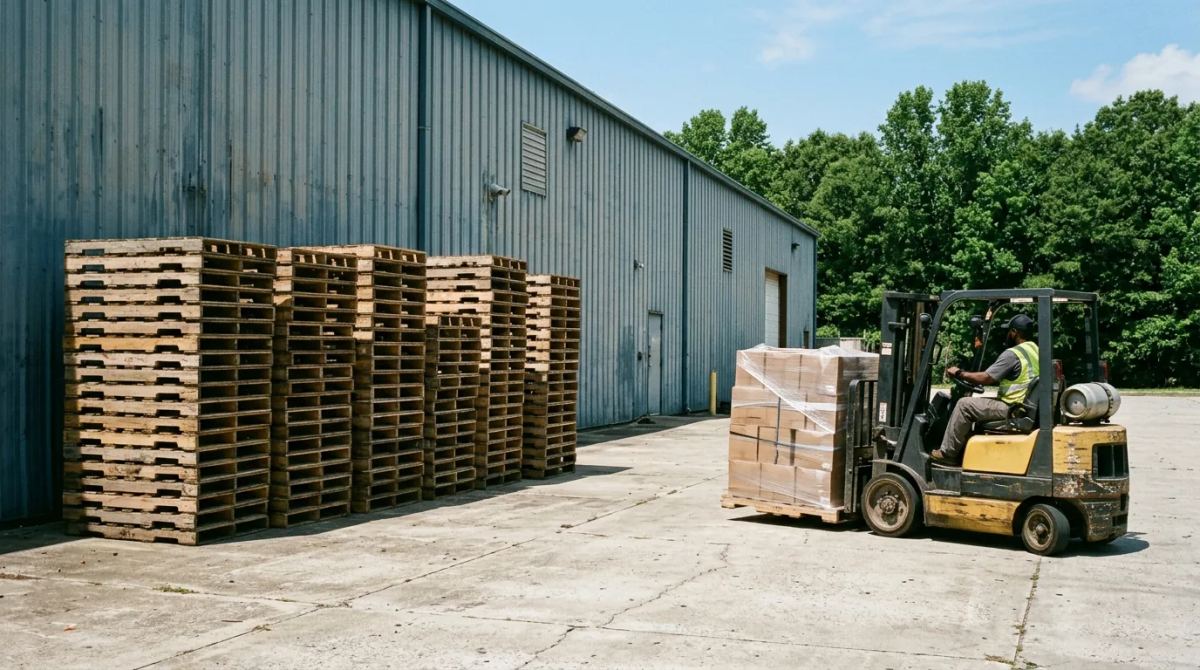
The standard pallet is 48 by 40 inches because two of them fit across a trailer. Everything else about pallet pricing follows from that one fact.
Read more
Two LTL carriers can quote the same lane at a similar price and move your freight in completely different ways. The difference is what kind of carrier they are.
Read more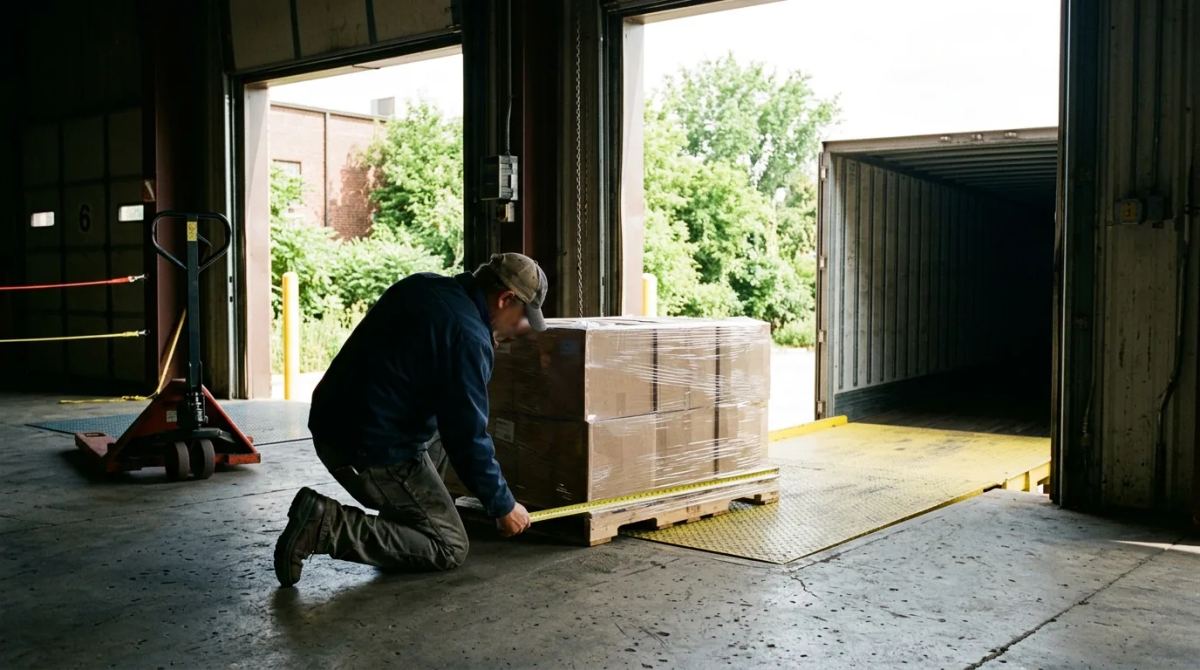
Freight class is the number that decides what an LTL shipment costs. Since 2025 it is set mainly by density, and a calculator alone will not always give you the right answer.
Read more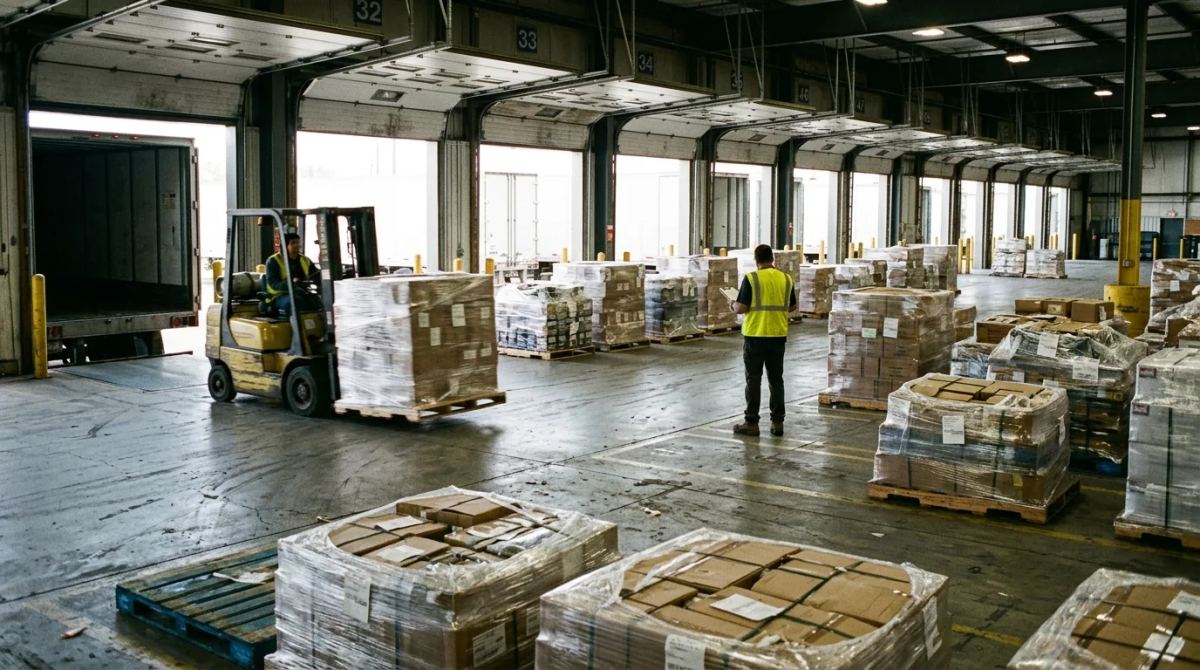
LTL means your freight shares a trailer with other shippers and moves through terminals. It is the cheapest way to move a few pallets, and there are three situations where it is the wrong answer.
Read moreAnswers to the questions shippers ask us most often.