
LTL Freight Shipping
Shared trailer space for shipments that do not need a truck of their own.

- Typical size
- One to six pallets
- Weight
- 150 to 15,000 lb
- Handling
- Four or more touches
- Transit, regional to cross-country
- 1 to 7 days
LTL freight shipping
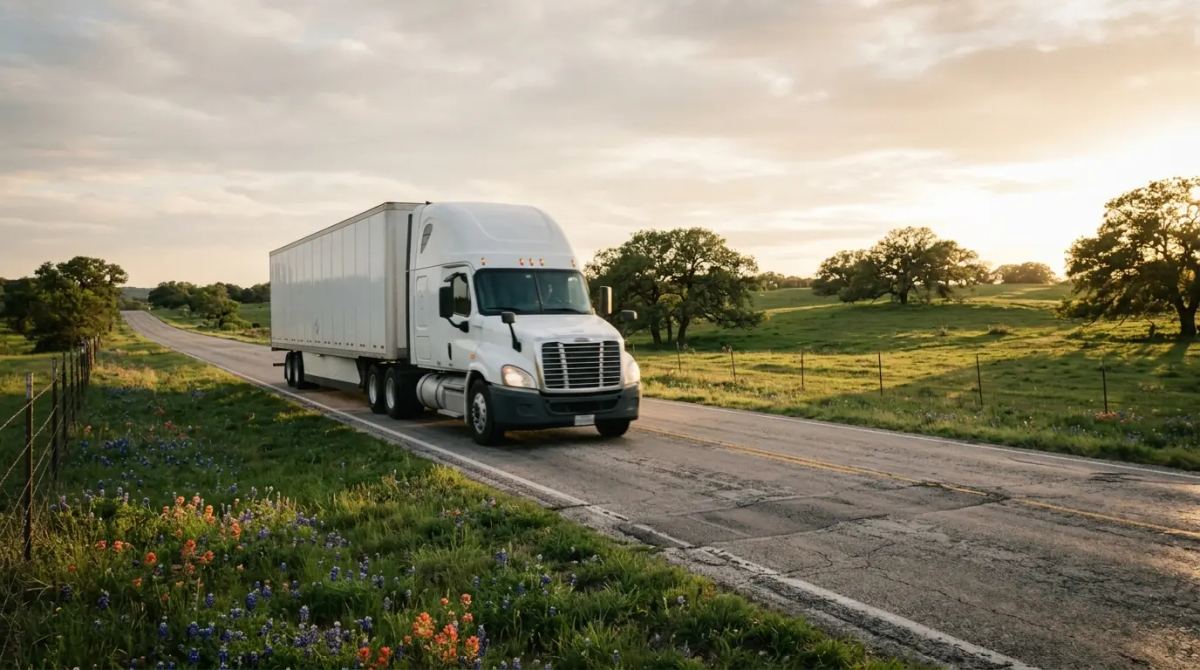
LTL, or less-than-truckload, means your freight shares a trailer with shipments from other companies and moves through a carrier's terminal network. You pay for the space you use rather than for a whole truck, which makes it the most cost-effective option for smaller shipments.
When LTL is the right call
Shipment size
LTL suits freight of roughly one to six pallets where the delivery date has some room in it. Below that, parcel is usually cheaper. Above it, partial truckload is usually faster and often not much more.
Time and handling
The trade-off is time and handling. LTL freight is consolidated, moved between terminals and transferred between trailers, which is why transit is longer and less predictable than a direct truck, and why the freight is handled more. If the date is firm and the load is small, a sprinter van is usually the better trade: direct, dedicated, and far cheaper than a full trailer.
Freight class
LTL pricing also depends on freight class, which is based on density, handling, stowability and liability. Getting the class wrong is one of the most common reasons an invoice comes back higher than the quote.
How freight class is calculated
Freight that fits? Send us the lane and the load.
What LT2 arranges
LT2 arranges LTL across the United States and into Canada through a broad carrier network, with one point of contact handling your shipment rather than a queue.
If your freight is close to the line between LTL and partial truckload, we will tell you which way it should go rather than simply quoting what you asked for.
Related articles
Standard Pallet Sizes for Freight
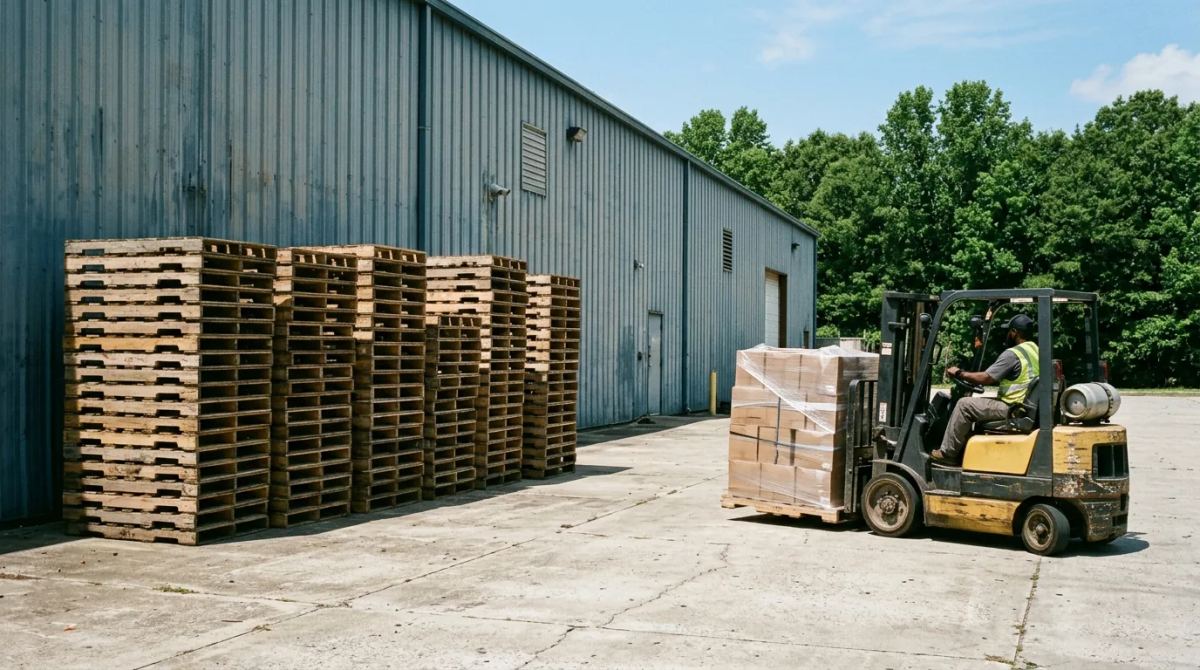
The standard pallet is 48 by 40 inches because two of them fit across a trailer. Everything else about pallet pricing follows from that one fact.
Read more
Types of LTL Carriers, and When to Use Each
Two LTL carriers can quote the same lane at a similar price and move your freight in completely different ways. The difference is what kind of carrier they are.
Read more
What Is Freight Class?
Freight class is the number that decides what an LTL shipment costs. Since 2025 it is set mainly by density, and a calculator alone will not always give you the right answer.
Read more
Flatbed Freight Shipping: A Shipper's Guide
Flatbed moves the freight that will not fit inside a trailer. Here is when you need it, where the legal limits sit, what drives the rate, and the part of securement that is actually yours.
Read moreFrequently Asked
Answers to the questions shippers ask us most often.