Team Drivers: How Freight Covers 1,000 Miles Overnight

24 Sept 2026
Two drivers, one truck, no overnight stop. Teams roughly double daily miles — the question is whether the days you save are worth what they cost.
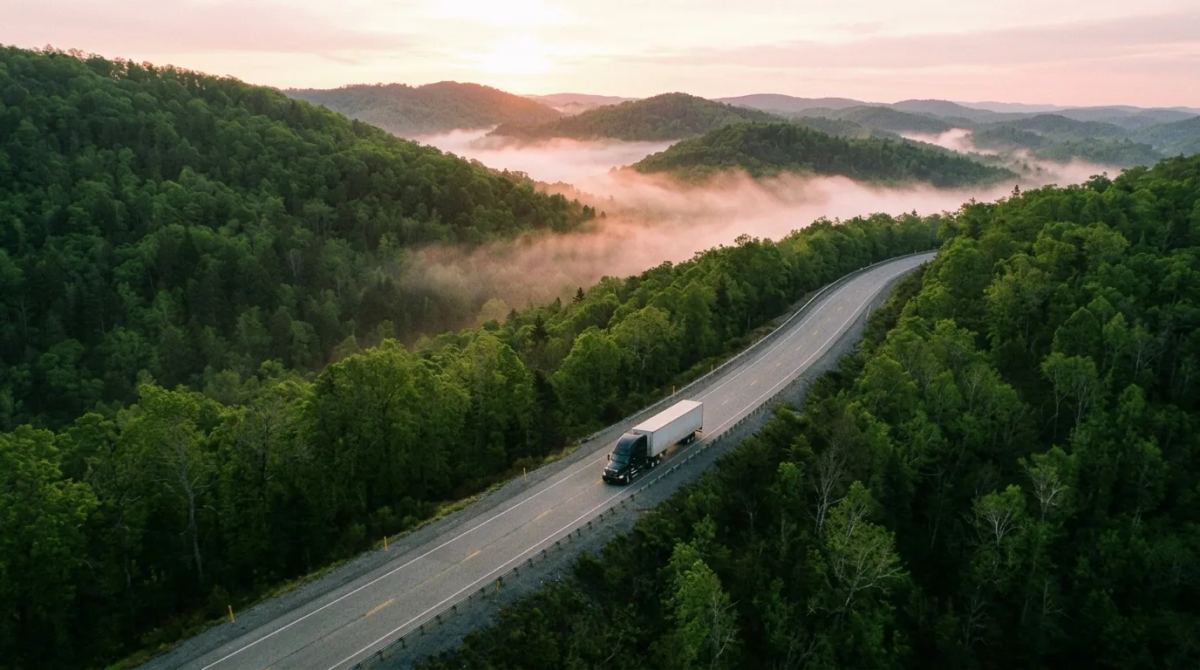
Team drivers are two qualified drivers assigned to one truck, alternating between driving and resting so the vehicle keeps moving while federal hours-of-service rules are still met. A solo driver covers roughly 500 to 600 miles in a day. A team covers around 1,000 to 1,200, because the truck stops only for fuel.
That difference is the whole reason teams exist, and it is the mechanism behind most long-distance expedited freight. This guide covers how teams work, what they cost, when they are worth it and when they are not.
What are team drivers?
A driver team is two drivers who share a single tractor, swapping at intervals so that one is always legal to drive while the other takes their required rest in the sleeper berth.
Nothing about the truck is different. The gain comes entirely from the clock. A solo driver is bound by hours-of-service limits that stop the truck for ten consecutive hours once the driving window closes. A team hands over instead.
The hours-of-service maths
Federal rules cap a property-carrying driver at 11 hours of driving within a 14-hour on-duty window, followed by 10 consecutive hours off duty. At highway speeds, that is roughly 500 to 600 miles before the truck has to park for the night.
A team does not escape those limits — each driver is bound by them individually. What a team escapes is the truck stopping. While driver A takes their ten hours in the sleeper, driver B is driving. The freight keeps moving through the hours a solo load would spend parked at a truck stop.
| Distance | Solo transit | Team transit |
|---|---|---|
| 500 miles | 1 day | Same day |
| 1,000 miles | 2 days | Overnight |
| 1,800 miles | 3 to 4 days | Around 2 days |
| 2,800 miles, coast to coast | 5 to 6 days | Around 3 days |
Those are planning figures, not promises. Weather, traffic, detention at the dock and the receiving hours at the far end all move them. But the shape holds: the further the freight is going, the more a team is worth.
Why distance changes the answer
On a short run, a team buys you very little. A 300-mile load moves inside one driver's hours either way, so a second driver adds cost and no time.
The advantage compounds with distance, because every additional day of solo transit contains a ten-hour stop. At 1,000 miles the team saves a night. At 1,800 it saves closer to two. Coast to coast it can halve the transit.
The rough threshold is somewhere around 600 miles. Below it, a solo driver is almost always the right answer. Above it, the question becomes whether the days you save are worth what they cost.
What team service costs
Team freight generally runs somewhere between 1.5 and 2 times a comparable solo rate, and the reason is simple: two drivers are being paid for the same load.
The rate is not the number that should decide it, though. The right comparison is the cost of the days you would otherwise wait. A production line down at several thousand dollars a day makes a team obvious on a two-day saving. A shipment with a week of float does not.
One thing worth flagging: teams are genuinely scarce. There are far fewer qualified teams than solo drivers, which means on short notice, in a tight market, availability can matter more than price. Booking a team the afternoon it is needed is not always possible at any rate.
When teams are the right call
Long-haul with a hard deadline. Over roughly 600 miles, where the delivery date is fixed and missing it has a cost.
High-value freight. The load stays in motion with a driver in the cab at all times, which reduces the overnight exposure that comes with a parked trailer.
Production-critical parts. Where the freight is holding up a line and the delay is measured in downtime rather than inconvenience.
Recovering a missed window. When a load has already slipped and the only way to recover the schedule is to remove the overnight stops.
When they are not
Short runs. Under 600 miles, a solo driver arrives on the same day and costs less.
Freight with float. If the receiver cannot take it until Thursday, arriving Tuesday night has bought you nothing.
Receiving hours that cap the gain. A team that arrives at 2am at a dock that opens at 7am has saved five hours you paid a premium for. Check the far end before you book.
Chronic lateness. If teams are becoming routine rather than exceptional, the problem is usually upstream — a supplier consistently running short, or a schedule built on transit times that were never realistic. A team fixes the shipment. It does not fix the pattern.
Teams and expedited freight
Team driving is one of four mechanisms that make freight expedited, alongside a dedicated vehicle, direct routing with no terminal stops, and immediate dispatch. Most expedited moves use at least two.
On a short expedited run, direct routing and immediate dispatch do the work. Over distance, teams are what make an overnight delivery possible at all — no amount of direct routing gets a solo driver 1,000 miles between one afternoon and the next morning.
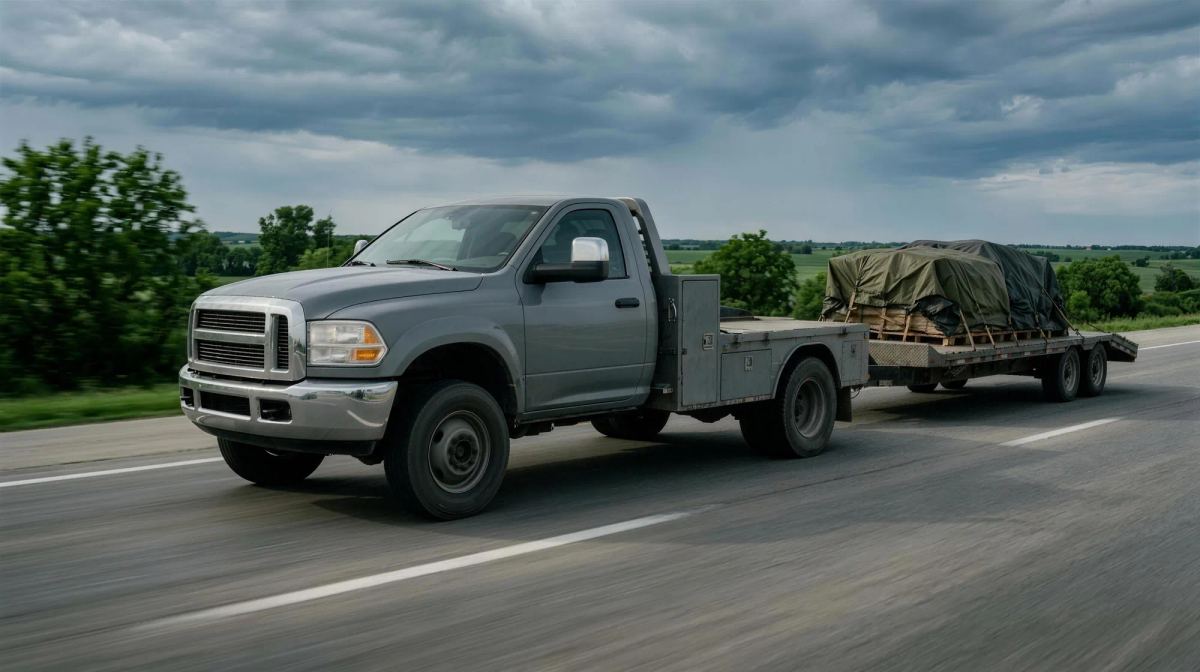
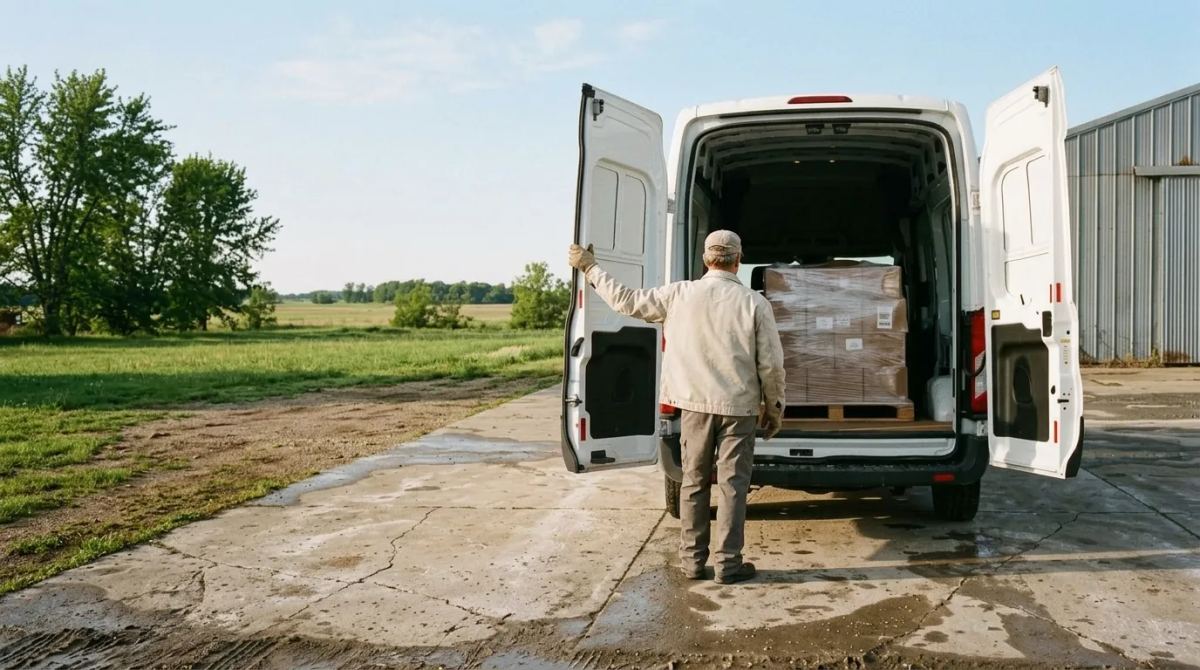
Teams are not limited to tractor-trailers, either. Sprinter vans and box trucks run team as well, which is how a small, urgent load covers a long distance overnight without paying for a trailer it does not need. Open-deck freight is the exception: a hot shot is usually a single-driver rig, so a long open-deck run trades team speed for deck access. Our guide to expedited freight covers the other mechanisms and the cost question in more detail.
What to ask before you book
Three questions separate a team that will hit the date from one that will not.
Is it a genuine team, dispatched as a team? Not a solo driver with a second name on the paperwork. Ask directly.
What are the receiving hours? The saving is only real if the destination can take the freight when it arrives.
How is it being tracked? On a run that is moving continuously for two days, knowing where the freight is matters more than on a load that parks every night.
Getting a team quote
Tell us the pickup and delivery, the freight in pallets and pounds, and the deadline. That is enough to price it, and enough to tell you honestly whether a team is needed or whether a solo driver makes the date anyway.
LT2 Logistics is a freight brokerage arranging expedited freight across the United States and into Canada, from sprinter vans to tractor-trailers, solo and team. We are a brokerage backed by an asset-based carrier, Laufer Trucking, which has run its own trucks since 1977, so the transit expectations you get come from people who have driven the lanes.
If a load is getting tight, call (262) 888-3553 with the deadline before you commit to anything. If a team is not necessary, we will tell you that too. More on how our expedited service works.