What Is Double Brokering?

11 Aug 2026
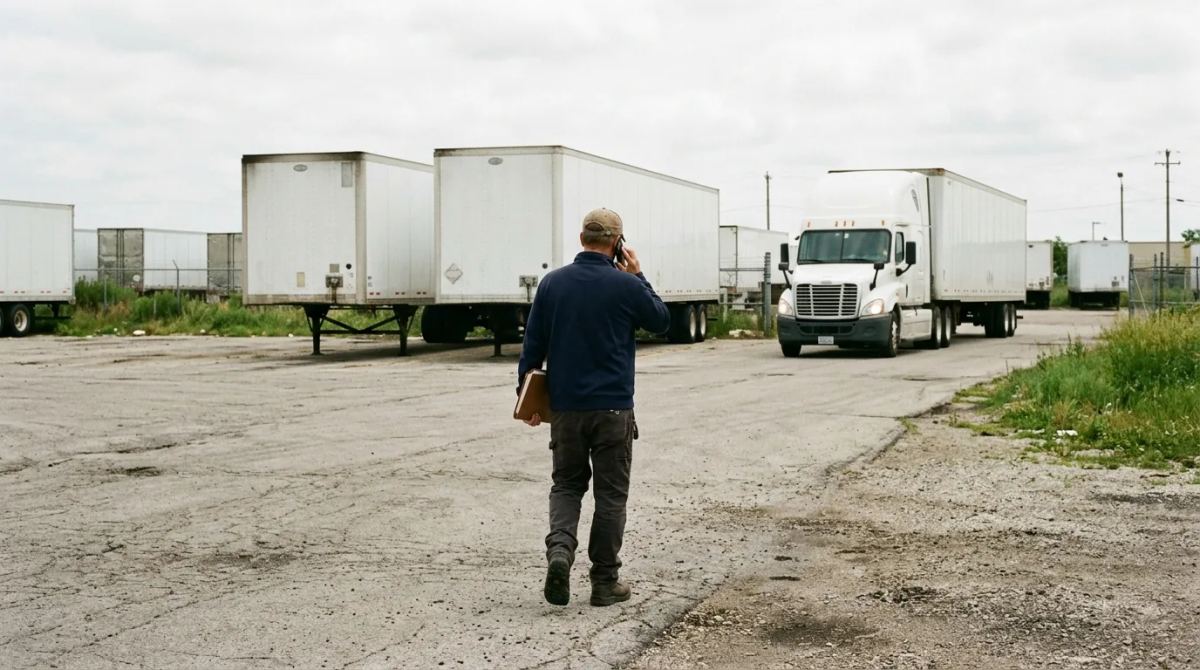
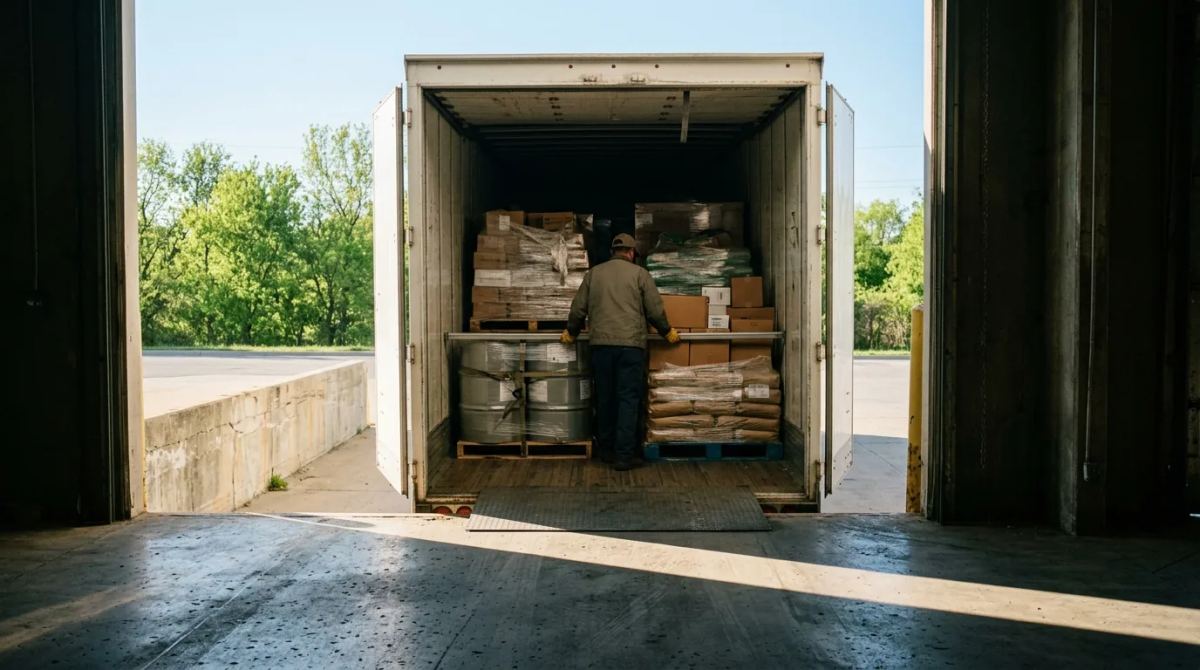
Double brokering is when the company you hired quietly hands your freight to somebody else. Most of the time nobody notices. The risk is that you cannot tell which loads it happened to.
Double brokering is when the company you hired to move your freight quietly hands it to somebody else, and does not tell you.
The truck that arrives is not the carrier you approved. It may belong to a company with no authority to haul, no insurance covering your load, and no contract with anyone in the chain. You usually find out when something goes wrong, because until then there is nothing to notice.
What is double brokering?
A broker or carrier accepts your load, then passes it to another party without your knowledge or consent. Sometimes that party passes it on again.
The freight often still moves. The driver who eventually picks it up frequently believes they were hired legitimately, because from their side it looks like any other load. What has gone missing is the chain: nobody in your paperwork can tell you who is actually holding your freight.
There is a legitimate version of this. It is called co-brokering, and the difference is disclosure. When two brokers work a load together with everyone informed and the arrangement written down, that is a normal commercial arrangement. Remove the disclosure and it becomes something else.
Is double brokering illegal?
Usually, yes, and it is the question people ask most often about it.
It breaches federal rules when the party taking the load has no valid broker authority, when they misrepresent who they are, when the carrier hauling has no insurance covering the freight, or when a contract prohibiting re-brokering is broken. Most double brokering involves at least one of those, which is why the practice is generally described as illegal rather than merely improper.
Penalties run from fines and loss of operating authority through to civil liability, and outright fraud schemes can bring criminal charges. Enforcement, though, is thin relative to the scale of the problem, which is part of why it keeps happening.
Why it happens
Three motives, and they produce very different outcomes for your freight.
Skimming the margin. A carrier takes your load at one rate, hands it to another carrier at a lower one, and keeps the difference without hauling anything. The freight usually arrives.
Collecting and disappearing. A party takes the load, arranges for someone else to haul it, collects payment, and never pays the carrier who did the work. The freight arrives and somebody is left unpaid, often the driver.
Theft. The load is brokered to a second carrier who is directed to a different destination entirely. The freight does not arrive at all.
What it means for your freight
Four specific consequences, and none of them is abstract.
Hostage freight. The carrier actually holding your load refuses to deliver until they are paid directly, because they never were. You may already have paid the broker. Now you are choosing between paying twice and not receiving your goods.
Two invoices for one load. The original party and the actual hauler both bill you, and working out who is owed what takes weeks.
Voided insurance. The company hauling your freight is not named on any policy connected to the shipment. If the load is damaged, there may be no cargo coverage to claim against at all.
The load simply goes. In theft cases the freight is redirected and does not arrive. Freight fraud losses passed $455 million in reported cases in 2024, and double brokering is estimated to cost the industry between $500 and $700 million a year. Reported activity has risen by as much as 400 percent in some regions since 2022.
When it does not cost anyone anything
Worth being straight about this rather than inflating the risk.
Most double-brokered loads deliver without incident. The freight arrives on time, nothing is damaged, nobody disputes anything, and no one suffers a financial loss. The deception happened and it produced no victim.
Which is exactly why it goes unnoticed and keeps growing. The exposure is not spread evenly across every load. It lands entirely on the day something goes wrong, and on that day you are dealing with a company you have no contract with, no insurance relationship to, and no way to hold accountable.
So the risk is not that every load is compromised. It is that you cannot tell which ones are.
How to tell before the truck arrives
Four checks, and none takes long.
Verify the MC number in FMCSA's SAFER system. It is public and free. Confirm the company name, the authority status and the insurance on file match what is on your paperwork.
Call the number listed on the SAFER profile, not the one on the rate confirmation. If those two numbers reach different companies, you have your answer.
Treat a very new MC number as a flag. Under 90 days old does not prove anything on its own, but it is common in fraud and worth a second look.
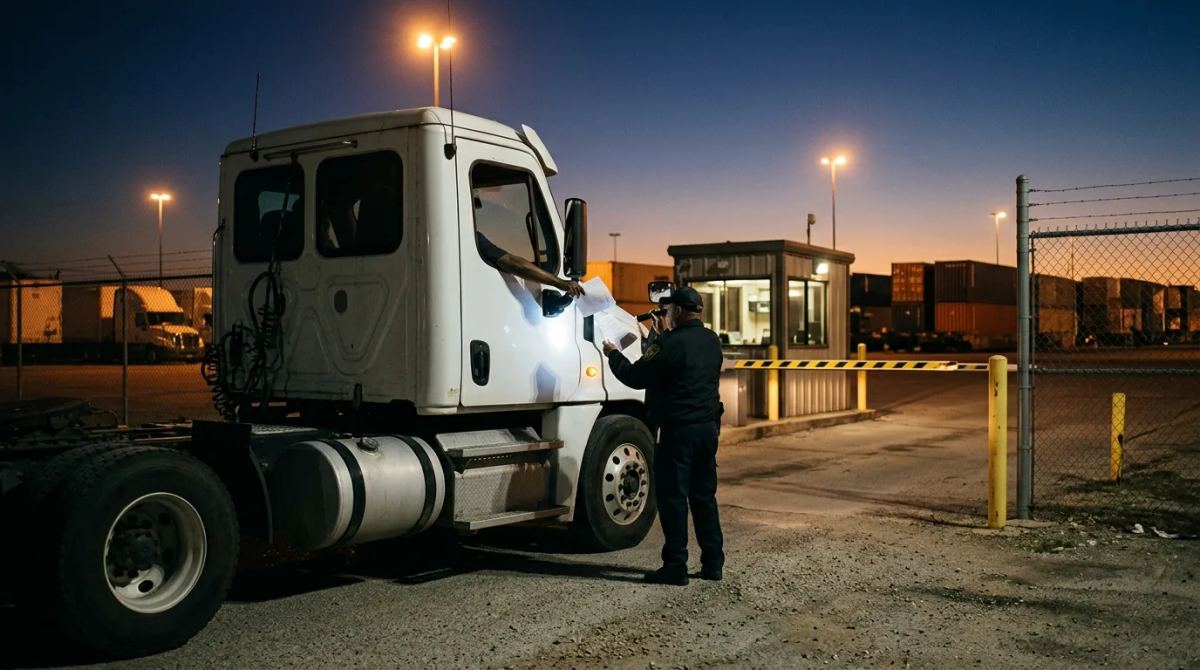
Check the driver's employer at the dock. Ask which company they work for and compare it to the name on the paperwork. This is the simplest check available and it catches a great deal.
What to do if you suspect it mid-load
Move quickly, because the options narrow once the freight is moving.
If the truck is still at your dock, stop loading. If the load has already gone, contact the carrier directly and ask them to take it to their nearest yard rather than continuing to the destination. Place a hold on payment to the broker, while understanding that you may still have to pay the carrier who actually hauled it before your freight is released.
Then report it to FMCSA. Enforcement is slow, but the reports are what build the case against repeat offenders.
How vetting actually prevents it
Vetting is one of the things a broker is actually for. Every broker says they do it. The useful question is what they check, and how often.
At LT2, a carrier is verified before it touches your freight: operating authority, insurance and safety history, checked against public records rather than taken from a rate confirmation. That verification is monitored on an ongoing basis rather than done once at setup, because authority lapses and insurance gets cancelled between the day a carrier is approved and the day they show up for your load.
Carriers that do not meet the standard do not get the load, and carriers that have given us reason to doubt them do not get another one. The same verification is what separates a broker who is arranging your freight from one who is quietly handing it on, which is worth understanding before you pick an LTL broker in particular.
On expedited freight there is a further check that happens to catch this: before the vehicle leaves the pickup, the driver sends photographs of the load and the paperwork, and our team approves them. That is there for condition and accuracy, but it also means somebody has confirmed who is physically holding the freight before it moves.
If you are choosing a provider, that is the question worth asking. Not whether they vet carriers, but what they look at, how often they re-check it, and what happens to a carrier who fails. Call us at (262) 888-3553 and ask us that directly. More on how our brokerage works.